

close
Choose Your Site
Global
Social Media


Views: 0 Author: Site Editor Publish Time: 2026-05-13 Origin: Site


A failing rear hatch mechanism instantly creates daily frustration. You suddenly cannot secure expensive cargo, leaving your belongings vulnerable to theft. False anti-theft alarms might wake up your neighborhood at midnight. Even worse, a faulty electrical component can cause a continuous battery drain, leaving you stranded the next morning.
We often use broad terms to describe these problems. However, the exact repair spans a wide range of components. You might only need a simple electronic release button. Some vehicles require replacing a mechanical lock cylinder. Others demand complex, heavy-duty electronic liftgate actuators. The sheer variety of parts makes estimating repair bills difficult for the average driver.
We want to help you understand professional replacement costs thoroughly. This clear, evidence-based breakdown gives you a distinct advantage. You can confidently evaluate repair shop estimates. You will easily avoid unnecessary upsells. Ultimately, you will make highly informed decisions regarding replacement parts and installation labor.
Baseline Costs: Total professional replacement typically ranges from $150 to $450+, depending heavily on whether the issue is a simple switch/cylinder or a full electronic actuator assembly.
Parts vs. Labor: Parts generally range from $14 (basic aftermarket switch) to $300+ (OEM electronic actuator); labor averages $70 to $140 per hour.
Hidden Complexities: Professional intervention is often required due to Body Control Module (BCM) diagnostics, key coding requirements, or obstructions like spray-in bed liners.
OEM is Preferred for Electronics: While basic handles can be aftermarket, electronic switches and actuators strongly benefit from OEM (Original Equipment Manufacturer) parts to prevent premature failure.
To understand your repair estimate, you must identify exactly which component failed. Mechanics break these costs down into three distinct tiers based on mechanical complexity and electronic integration. We summarize these diagnostic tiers in the comparison chart below.
Component Tier | Estimated Parts Cost | Estimated Labor Cost | Total Average Cost |
|---|---|---|---|
Tier 1: Basic Electronic Switch / Handle | $15 - $130 | $70 - $140 (0.5 to 1 hour) | $85 - $270 |
Tier 2: Mechanical Lock Cylinder / Grip | $50 - $90 | $100 - $150 | $150 - $190 (Excludes Key Coding) |
Tier 3: Electronic Liftgate Actuator | $280 - $320+ | $120 - $160+ | $400 - $460+ |
Many modern vehicles use a simple electronic release button. Pressing this button sends a micro-voltage signal to open the hatch. Sometimes, you simply need to replace the external Car Rear Door Tailgate Handle because the plastic casing cracked from sun exposure. Alternatively, the internal electronic micro-switch might have corroded from rain seepage.
The parts cost for a basic Tailgate Switch usually runs between $15 and $130. Your exact price depends on the vehicle brand and your choice between aftermarket or OEM parts. Installation labor remains relatively low for this tier. Mechanics typically need 0.5 to 1 hour to swap this component. Expect a straightforward labor charge of $70 to $140.
Older vehicles and many utility pickup trucks rely heavily on mechanical lock cylinders. A standard repair might involve replacing a complete Car Trunk Lid Grip with Key Button. This introduces new physical linkages, metal rods, and springs.
The total average cost for this repair falls between $150 and $190. The main nuance here involves physical key matching. When a shop installs a new lock cylinder, they must code the new lock mechanism. This key coding ensures your original ignition key still opens the rear hatch. The coding process adds specific sublet labor time to your final bill.
People frequently confuse the switch and the actuator. The switch is merely the button you press. The actuator is the motorized mechanism doing the heavy lifting to unlatch the heavy steel door. When an actuator fails, the repair becomes much more expensive.
Total average costs jump to between $400 and $460. On modern luxury SUVs, prices can climb significantly higher. Parts account for roughly 70% of this total cost. OEM actuators contain complex planetary gears, electric motors, and position sensors. Manufacturers price these sophisticated components at a premium.
You must read every estimate carefully. Make sure mechanics do not charge you for a full actuator when you only have a faulty wiring harness. A reputable shop itemizes their quote. They separate diagnostic time, specific part numbers, and installation labor. If you see a $400 part on your quote, ask the mechanic how they verified the actuator failure before authorizing the repair.
Base estimates rarely tell the whole story. Several hidden variables can drastically increase your final repair bill. You should anticipate these common structural and electronic challenges before approving work.
Modern cars operate on complex computer networks. They rely heavily on the Body Control Module (BCM). A broken hatch might not indicate a broken button at all. It might signal a BCM software fault. Professional scan tools must verify the exact issue. These scanners check the switch, the wiring circuit, and the module itself. Labor includes this diagnostic time. You are paying for advanced electronic troubleshooting, not just swapping parts.
We mentioned key coding briefly in the mechanical tier. If your switch assembly contains a mechanical cylinder, you face extra steps. A certified locksmith or a dealership must code the new lock. They adjust the internal brass tumblers to match your existing key profile. Independent shops often outsource this specific task. They then pass the sublet fee directly onto your final invoice.
Pickup truck owners face unique hurdles. Many owners apply spray-in bed liners to protect their cargo beds. Unfortunately, these thick polyurethane coatings often cover crucial access panels. They bury the retaining screws needed to remove the tailgate mechanism. Mechanics must carefully cut the liner to access the hardware. After the repair, the shop might need to re-spray the area to prevent rust. This specialized labor time drives the price up significantly.
Rear-end impacts cause extensive hidden damage. If your component failed after an accident, prepare for escalating costs. Replacing the switch might reveal bent inner framing. You might discover broken plastic mounting tabs deep inside the door. Replacing a simple button will not fix a misaligned latch.
Common Mistake: Accepting initial insurance payouts too quickly. Insurance estimates for rear collisions often severely lowball the actual damage. They quote surface plastic repairs but completely ignore internal structural misalignment.
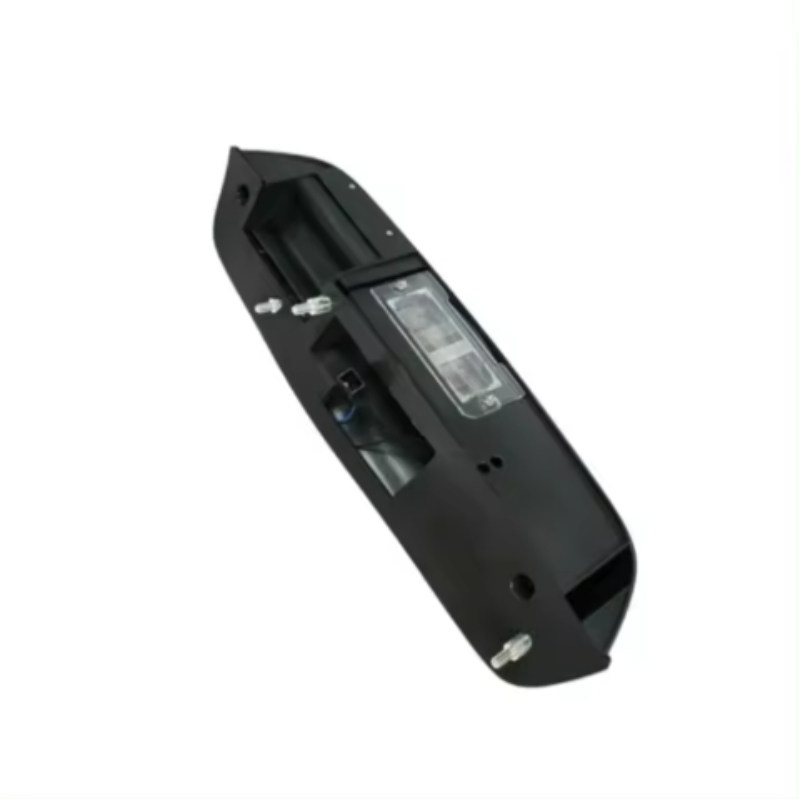
Deciding between OEM and aftermarket components directly impacts part longevity. You want a reliable fix, but you do not want to overspend blindly on brand names.
Original Equipment Manufacturer parts come directly from the vehicle builder. They offer critical advantages for electronic components. OEM actuators guarantee perfect BCM compatibility. They communicate seamlessly with your car's main computer network.
Using OEM parts presents a significantly lower risk of parasitic battery drain. They also prevent anti-theft system misfires. Cheaper aftermarket electronics often send irregular voltage signals. Your car interprets these signals as a security breach. It triggers the alarm or keeps the computer awake overnight. We strongly advise using OEM parts for anything involving motors or sensors.
You can safely use aftermarket parts for purely physical components. A basic exterior plastic housing is a great example. If you only need a physical grip, you can confidently explore third-party options.
Material Standard: Always look for high-durability materials. Impact-resistant Polypropylene (PP) is an industry standard for exterior automotive plastics. It withstands harsh weather and physical impacts well.
Warranty Evaluation: Only shortlist aftermarket brands offering strong guarantees. Look for a "Limited Lifetime Replacement" warranty. This offsets the statistically higher failure rate of non-OEM parts. If the item breaks again, you only pay for the installation labor.
Never rely on generic visual similarity when buying automotive parts online. Two buttons might look identical but feature completely different internal wiring pins. Emphasize the necessity of matching exact OEM part numbers. Locate specific codes for GM, Ford, or Subaru parts. Ask your mechanic for the exact part number before authorizing an order. This entirely eliminates compatibility headaches down the road.
Many vehicle owners attempt to replace these components themselves. They watch an online video tutorial and order a cheap part. However, modern automotive design makes this DIY approach increasingly difficult and risky.
You face two major hurdles when working on your own car. First, you must remove interior trim panels. Manufacturers secure these panels with fragile plastic retention clips. These clips break easily, especially in cold weather. Replacing broken trim panels can wipe out your DIY savings instantly.
Second, standard OBD2 scanners have serious limitations. Cheap scanners from auto parts stores only read basic engine codes. They cannot read advanced BCM sub-codes for liftgate mechanisms. You remain completely blind to underlying electronic faults.
Professional shops bring specialized equipment and liability protocols to the table. Mechanics follow advanced diagnostic trees to isolate problems accurately. Their process typically follows these structured steps:
Test the switch output signal for correct voltage.
Verify continuity across the internal wiring circuit.
Apply direct amperage to the actuator motor to test functionality.
Analyze BCM software logs for logic errors or short circuits.
This structured approach prevents unnecessary part replacements. Furthermore, professional shops provide liability coverage. If a mechanic breaks a fragile interior panel, the shop pays for the replacement. If a DIYer breaks the same panel, they pay completely out of pocket.
Improperly installed latches create major liabilities. A poorly seated mechanism might fail to latch properly. This results in dangerous cargo loss on the highway. Conversely, it might fail to lock securely. This creates a severe vehicle security vulnerability. Your car remains an easy target for theft. Paying for professional labor eliminates these critical risks.
Not all automotive shops handle electrical body diagnostics well. You need to identify a trustworthy business before handing over your car keys.
A reputable shop explains their testing process upfront. A trustworthy mechanic should test electrical continuity and BCM signals before ordering an expensive replacement part. Beware of technicians who instantly suggest replacing the entire actuator without ever connecting a scan tool. Ask them specifically what their diagnostic fee covers.
A quality repair should come with peace of mind. Ensure the shop provides at least a 12-month/12,000-mile warranty. This warranty must cover both the replacement switch and the installation labor. If the new mechanism fails in six months, you should not pay a dime for the rework.
Accident damage requires specialized attention. If the switch failure is tied to a recent accident, use a certified auto body shop rather than a standard mechanic. Body shops specialize in structural alignment. They also negotiate accurately with insurance companies. They utilize a process called Subrogation to claim funds for hidden structural damage rather than accepting initial lowball cash offers.
A professional tailgate switch replacement is a mid-tier repair that relies heavily on accurate diagnosis. The complexity ranges from simple exterior grips to sophisticated motorized actuators. Costs escalate quickly when dealing with integrated computer modules, key coding, or physical obstructions like bed liners.
Do not throw cheap parts at a complex electronic problem. Pay the diagnostic fee at a reputable shop to isolate the exact point of failure. Determine whether you have a broken switch, a burned-out actuator, or a software glitch before authorizing a full parts replacement. This approach saves you money and prevents recurring headaches.
Take action today to resolve your hatch issues properly. Note your exact vehicle year, make, model, and trim level. Call two or three local repair shops to ask for their specific hourly labor rate and diagnostic fee. Compare their warranty terms and book an inspection with the most transparent provider.
A: Yes, faulty switches or actuators can continuously wake the vehicle's computer network. They send irregular voltage signals to the Body Control Module. This activity triggers the anti-theft system or keeps internal modules active overnight. Ultimately, this parasitic electrical draw will completely deplete your car battery.
A: It depends heavily on your vehicle's design. Many modern vehicles integrate the electronic switch into a single, unserviceable handle or grip unit. If the manufacturer molded the switch permanently into the plastic housing, you must replace the entire unified assembly.
A: Yes, in some modern SUVs, a software glitch causes the issue. A professional scan tool can perform a Body Control Module (BCM) reset or install a software flash. This often restores full functionality without needing any new physical hardware.


