

close
Choose Your Site
Global
Social Media


Views: 0 Author: Site Editor Publish Time: 2026-05-11 Origin: Site


Upgrading your vehicle using universal mesh serves a crucial dual purpose. You often need it to replace degraded factory interior vents or protect critical engine components from road debris. We view this installation not just as a cosmetic modification. It represents a highly functional upgrade demanding precise fitment and strong thermal-resistant materials. Achieving an OEM-quality finish requires systematic preparation and the correct fastening methodology. You must also understand automotive airflow dynamics to avoid cooling issues down the line. In this guide, you will learn the exact steps to select the right mesh and properly execute both interior and exterior installations. We will explore essential tools, advanced templating techniques, and proven fastening strategies. You will also discover how to mitigate common implementation risks like thermal overload or adhesive failure. Ultimately, you will gain the confidence to complete this project like a professional.
Proper mesh selection (material and aperture size) is critical to prevent engine overheating or HVAC airflow restriction.
Interior and exterior installations require fundamentally different fastening methods (OEM clip preservation vs. high-temp epoxy/mechanical fastening).
Preparation—specifically templating and trim-safe removal—determines 80% of the project's success and prevents costly damage to surrounding panels.
Permanent modifications should be weighed against reversible mounting techniques to preserve vehicle resale value.
You must clearly define your objective before cutting any material. We differentiate heavily between exterior debris protection and interior cabin restoration. Exterior applications safeguard your radiator and intercooler from rocks and road debris. Interior applications focus on replacing cracked plastic bezels to restore cabin aesthetics. A high-quality Car Grill Vent upgrade achieves both goals when planned correctly.
How do we measure a successful installation? A professional-grade result yields zero rattling at highway speeds. The new mesh sits flush against existing bezels. Most importantly, it allows completely unrestricted airflow to your vital systems.
Many beginners fall for a common misconception. They assume tighter mesh provides better protection. Tighter weaves do block smaller rocks. However, they drastically reduce cooling efficiency and increase aerodynamic drag. You must balance debris blockage against your engine cooling requirements. A heavily restricted front grille often causes radiator fans to overwork. This leads to elevated coolant temperatures during highway driving.
Selecting the correct material directly impacts your final result. Exterior and interior projects demand completely different properties. You must match the material to the thermal and physical stress it will endure.
Aluminum and stainless steel dominate exterior applications. They offer superior durability and excellent impact resistance against flying debris. Aluminum bends easily over compound curves. Stainless steel resists corrosion but proves much harder to cut.
ABS plastic serves as the optimal choice for interior applications. If you plan to upgrade a Car Center Console Rear Vent Grille, plastic is ideal. It bends flexibly. It also prevents unwanted thermal transfer from hot heater ducts.
Aperture sizing dictates your airflow volume. You must match the mesh gap size to your specific application. Intercoolers require wider gaps to feed turbochargers efficiently. Interior cabin vents require tighter gaps to direct air toward passengers smoothly.
Material Type | Best Application | Flexibility | Thermal Resistance |
|---|---|---|---|
Aluminum Mesh | Front Bumper / Radiator | High | Excellent |
Stainless Steel | Lower Valance / Intercooler | Low (Hard to bend) | Excellent |
ABS Plastic | Interior Dash / Console | Medium | Good (Up to 180°F) |
Gather these items before dismantling your vehicle:
Aviation snips (for cutting metal mesh cleanly).
Masking tape and thick cardboard (for accurate templating).
Automotive-grade polyurethane adhesive or high-temp epoxy.
Non-marring plastic trim removal tools.
Isopropyl alcohol for surface degreasing.
Exterior installations demand rigorous preparation. Do not rush the templating phase. Errors here lead to wasted material and poor fitment.
First, evaluate your access points. Sometimes you can reach through existing removable access panels. However, most modern vehicles require full bumper removal for a secure installation. We highly recommend removing the bumper. This gives you full access to the rear mounting tabs. Create a 1:1 cardboard template of the opening. Press the cardboard against the factory opening. Trace the outline using a marker. This physical template prevents costly miscuts.
Transfer your cardboard template to the universal mesh. Use your aviation snips to cut the material. You must leave a 1-inch overlap around the entire perimeter. This extra inch provides the mounting surface. Pre-bend the mesh over a soft wooden edge. This helps the mesh match the compound curves of your factory bumper. Forcing flat mesh into a curved bumper creates stress points. These stress points eventually break your adhesive bonds.
You have two primary fastening methods. Each has specific benefits.
Mechanical Fastening: Use hidden heavy-duty UV-resistant zip ties. You can also drill small holes to install metal mounting brackets. Mechanical mounts never fail under extreme heat.
Adhesive Fastening: Apply automotive-grade epoxy or polyurethane adhesive. You must degrease the plastic bumper thoroughly using isopropyl alcohol. Sand the contact points lightly. Apply the adhesive generously along the 1-inch overlap. Respect the required curing times. Most epoxies need 24 hours to cure before you expose them to engine bay temperatures.
Interior installations require a delicate touch. Cabin plastics turn brittle over time. Aggressive prying easily shatters expensive dashboard components.
Start by reviewing your factory service manual. Locate the hidden retaining clips holding the bezel in place. Use wide, non-marring trim tools to unseat the factory bezels. Apply gentle, even pressure around the edges. Never use metal screwdrivers to pry plastic parts. They will permanently dent your dashboard. Take your time to preserve the fragile, aged plastic clips.
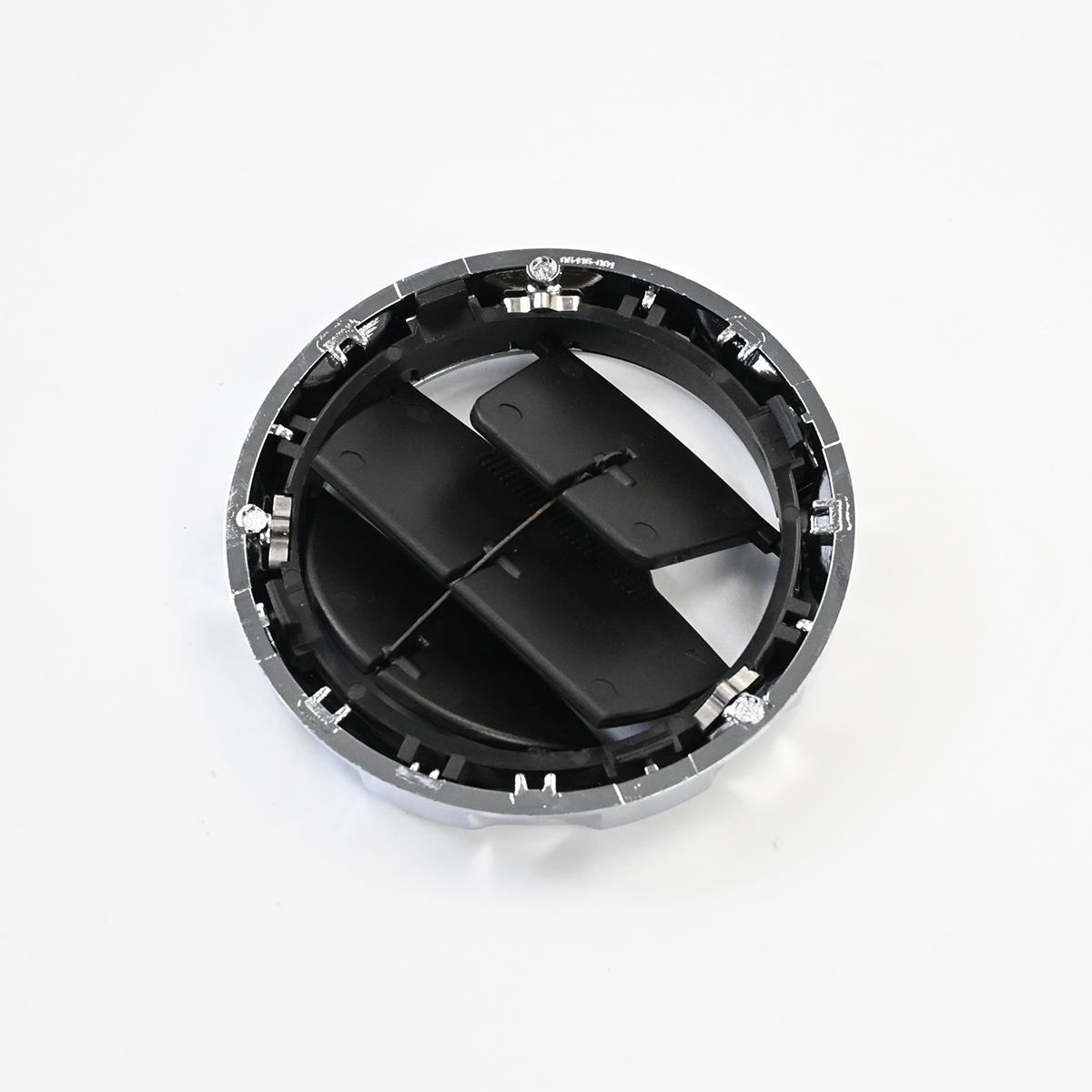
Once removed, place the bezel face down on a soft towel. Size your universal mesh to sit flush behind the Car AC Heater Air Vent housing. Cut away any excess material protruding past the plastic housing. The mesh must lay completely flat. Any raised edges will prevent the bezel from snapping back into the dashboard.
Cabin environments experience wild temperature swings. A car parked in summer sun easily reaches 140°F inside. Avoid standard superglues. Utilize high-quality hot melt adhesive or double-sided automotive acrylic tape. Some bezels allow for tension-fitting methods. Tension fitting traps the mesh tightly between the bezel and the dash opening. We prefer acrylic tape and tension fits. They avoid permanent chemical off-gassing inside the enclosed cabin. Chemical smells cause headaches and ruin the driving experience.
Before snapping the panels fully back into place, run a quick test. Turn on your vehicle. Cycle the HVAC system to the highest blower speed. Listen closely to the vents. Ensure the new mesh does not whistle or vibrate. If you hear rattling, apply a small strip of automotive cloth tape along the mesh edges. Once confirmed quiet, press the bezel firmly to lock the clips.
Even experienced builders encounter issues. Understanding potential risks helps you avoid costly damage to your vehicle.
Engine cooling depends on uninterrupted airflow. You must calculate if your chosen mesh blocks too much surface area. Manufacturers often list the "open area percentage" of their mesh. Aim for a minimum of 65% open area for primary radiator openings. Anything less risks thermal overload during summer traffic. If your temperature gauge creeps up after installation, your mesh is too restrictive. You must replace it with a wider aperture design immediately.
Cutting metal destroys its protective coating. If you use stainless or galvanized steel, the cut edges remain exposed. Moisture from rain immediately attacks these raw edges. You must treat every cut edge before installation. Use a rust-inhibiting primer or a basic automotive touch-up paint pen. Dab the paint onto the raw metal. Let it dry completely. This simple five-minute step prevents ugly rust streaks from staining your bumper later.
Many DIYers mistakenly use standard household glues. These glues cure extremely hard and brittle. Automotive environments subject parts to constant vibration and thermal cycling. A brittle household glue shatters under these conditions. Your mesh will drop backward into the bumper cavity. Always use flexible automotive-grade adhesives. Polyurethane sealants absorb vibrations beautifully. They expand and contract alongside the plastic bumper without breaking their bond.
Should you tackle this project yourself? The answer depends on your comfort level, available tools, and the specific application.
Interior vent replacements are typically beginner-friendly. They require minimal tools and no heavy lifting. Exterior jobs present more challenges. Removing a modern front bumper involves disconnecting fog lights, parking sensors, and hidden splash shields. It often demands advanced DIY skills and a second set of hands. Realigning bumper panel gaps perfectly takes patience and experience.
Weigh the cost of specialized tools against professional labor rates. A standard body shop charges between one and two hours of labor for a bumper mesh install. If you already own aviation snips, trim tools, and quality epoxies, DIY saves substantial money. However, if you lack tools and fear snapping a $500 plastic grille piece, professional help makes sense. Damaging your paint during bumper removal easily exceeds the cost of professional installation.
If you decide to proceed, finalize your mesh material choices first. Verify your vehicle-specific access constraints via factory service manuals. Locate all hidden bumper bolts. Assemble the required hardware, adhesives, and cleaning supplies prior to starting. A well-prepared workspace guarantees a smoother, faster installation process.
A successful universal car grill vent mesh installation relies entirely on patience. You cannot rush the templating phase. Always use automotive-specific fastening methods. Avoid brittle glues and prioritize flexible epoxies or heavy-duty mechanical ties.
Remember to evaluate airflow requirements carefully before choosing an aperture size. Engine safety always supersedes cosmetic preferences. We strongly encourage a dry trial fit before applying any permanent adhesives. Test your interior panels for rattles and whistle noises. By following these structured guidelines, you ensure your vehicle looks incredible while maintaining peak operational reliability.
A: It generally does not void your entire warranty. Dealerships only deny claims if the aftermarket part directly causes a failure. For example, if restrictive mesh causes your engine to overheat, they may deny a radiator claim. Always ensure your mesh provides adequate airflow.
A: You can sometimes reach through top radiator covers or lower splash guards. However, in-place installations limit your access. They often result in poor adhesive bonding because you cannot easily degrease or apply pressure to the rear tabs. Bumper removal is highly recommended.
A: Avoid cheap wire cutters. Use high-quality, compound-action aviation snips for thin gauges. For thicker stainless steel, use a rotary tool equipped with a reinforced fiberglass cutting wheel. Cut slowly to prevent heat discoloration and metal warping.
A: Metal vibrating against hard plastic creates annoying buzzes. We recommend using thin automotive cloth tape (Tesa tape) around the perimeter of the mesh. Alternatively, run a thin bead of black silicone rubber stripping along the contact points to dampen all vibrations.


