

close
Choose Your Site
Global
Social Media


Views: 0 Author: Site Editor Publish Time: 2026-10-14 Origin: Site


A broken door handle creates an immediate operational problem. You might find yourself locked outside in freezing rain or trapped inside the cabin. This mechanical failure presents a severe safety risk that demands immediate action. The core issue is a physical disconnect between the exterior or interior handle and the internal latch mechanism. When this linkage snaps, standard entry becomes impossible. Pulling the handle yields zero resistance, leaving the door firmly shut. You must shift your focus from the immediate frustration of a lockout to a structured approach. Forcing the door or using improper tools causes extensive secondary damage to the vehicle body and internal wiring. We will guide you through safe, non-destructive entry methods to regain access. Following emergency access, we will evaluate permanent replacement options to restore full functionality to your door latch system.
Prioritize Non-Destructive Entry: Utilizing alternate access points or professional-grade tools (like air wedges) prevents costly secondary damage to paint, weatherstripping, and internal wiring.
Verify the Point of Failure: Differentiate between a snapped linkage rod, a seized latch mechanism, and a shattered plastic handle housing before purchasing parts.
Evaluate Replacement Quality: Selecting the correct car interior door handle assembly requires assessing OEM versus aftermarket durability, as well as exact fitment for left or right orientations.
Assess DIY vs. Professional Repair: Weigh the cost savings of DIY replacement against the technical risks of door panel removal, airbag sensor disruption, and vapor barrier damage.
Successful entry and permanent repair depend entirely on identifying exactly what broke inside the door cavity. You must establish clear success criteria before ordering parts or attempting to pry panels apart. Diagnosing the specific point of failure dictates your next steps. Modern vehicle doors contain tightly packed components. A failure in one area often mimics a failure in another. You need to isolate the handle from the latch and the electronic actuators.
Modern vehicle doors utilize a complex network of Bowden cables and rigid metal rods. These components connect the physical handle you pull to the actual latch mechanism holding the door shut. When you pull the handle, it creates tension on the cable or rod. This tension releases the latch jaw from the striker plate mounted on the vehicle frame. You can easily test the electronic lock actuator by pressing your key fob. Listen closely to the door panel. If you hear the sharp electronic clicks of the lock engaging and disengaging, the actuator functions properly. The electronics are doing their job.
However, if the handle pulls freely with zero resistance, the mechanical linkage has snapped. In many cases, the plastic mounting points holding these cables break off. The cable simply falls away from the handle assembly inside the door cavity. When this happens, you need a completely new car door handle to restore the physical connection. Sometimes the metal rod itself bends or slips out of its retaining clip. Mechanics often find these rods lying at the bottom of the door shell during disassembly.
Vehicle owners frequently misdiagnose a seized latch as a broken handle. In this scenario, the handle feels extremely rigid, stuck, or difficult to pull. You might feel like pulling harder will snap the plastic. The actual issue stems from a lack of lubrication inside the latch mechanism or the lock cylinder itself. Dirt, road grime, and rust build up over years of driving. Water seeps past the window seals and corrodes the bare metal components of the latch.
Applying a high-quality silicone lubricant or a dedicated penetrating fluid directly into the latch assembly can break down this buildup. Open a functioning door to observe the latch jaw. Spray the fluid directly into the mechanism and work the latch manually with a screwdriver. This action forces the fluid into the seized pivot points. Working the fluid into the mechanism often restores full function without requiring any handle replacement. Always test the latch operation after lubrication before assuming the internal plastics have failed.
Exterior and interior handles fail for completely different reasons. Exterior handle failures usually result from extreme weather conditions or brute force. Freezing temperatures make exterior plastics highly brittle. Ice builds up behind the handle housing, locking it in place. Pulling aggressively on a frozen door easily snaps the exterior housing right off the door skin. UV exposure also degrades exterior plastics over time, causing them to chalk and weaken.
Conversely, an interior failure rarely involves weather. A broken car inside door handle typically fails due to long-term plastic fatigue. Years of daily pulling stress the internal pivot points. Drivers often push against the door from the inside while pulling the handle, creating lateral stress the part was not designed to handle. Micro-cracks form in the plastic housing over thousands of cycles. Eventually, the handle gives way under normal pressure, leaving you holding a loose piece of plastic.
You must categorize your entry methods by risk level and required tools. Attempting to force the door open will always result in collateral damage. The following approaches prioritize vehicle integrity while ensuring you regain access. Mechanics use specific techniques to bypass broken hardware without scratching paint or shattering glass.
Entry Method | Required Tools | Risk Level | Best Application |
|---|---|---|---|
Alternate Access Points | None | Very Low | Unlocked secondary doors or hatchbacks. |
Air-Wedge Technique | Air wedge, long-reach tool | Medium | Completely locked out with a broken exterior handle. |
Plastic Pry Tool | Non-marring pry tool | Low | Shattered exterior housing exposing the latch cable. |
Window Roll-Down | Key fob with global open feature | Low | Vehicles equipped with remote window operation. |
Entering through an alternate access point remains the safest and lowest-risk option. Check every passenger door and the rear trunk or hatchback. Many modern SUVs allow you to fold down the rear seats directly from the cargo area. If you can gain entry through the trunk, crawl over the seats into the driver's position. Manually open the affected door from the inside. This method bypasses the broken exterior handle entirely.
You will face limitations if the child safety lock is engaged on a rear door. A child lock disables the interior handle by design, severing the mechanical link to prevent accidental opening. If the exterior handle is broken and the child lock is on, that specific door is completely deadlocked. Furthermore, if the internal latch mechanism itself is seized or the linkage is completely compromised, neither the inside nor outside handles will release the door. You must then rely on professional bypass methods.
Professional automotive locksmiths rely on air wedges to safely create a gap in the door frame. An air wedge is a durable polyurethane bag equipped with a hand pump valve. You insert the deflated wedge between the top corner of the door frame and the vehicle body weatherstripping. Pump the bulb carefully to inflate the wedge. This action gently pries the door frame outward, creating a small gap. Once the gap is wide enough, slide a rubber-tipped long-reach tool through the space.
Use the tip of the tool to press the electronic unlock button or hook the opposite interior handle to open the door. You must practice strict risk mitigation during this process. Over-inflating the air wedge places immense stress on the door frame. Pumping too aggressively will permanently bend the metal frame. A bent frame causes severe wind noise and water leaks later. Extreme over-inflation can also shatter the tempered window glass instantly. Apply just enough pressure to slip the tool past the weather seal.
If the exterior handle housing is completely shattered, you might have direct visual access to the internal latch release cable. Carefully slide a non-marring plastic pry tool gently under the remnants of the broken housing. Locate the metal rod or cable end. Hook the cable with your tool and pull it toward you to manually release the latch jaw. This requires precision and a good flashlight to see inside the door skin.
We strongly advise against using metal screwdrivers for this task. Metal tools will slip and cause severe paint scratching. They easily gouge the sheet metal around the handle cutout. Bare metal exposure leads to rust and permanent body damage. Always use nylon or plastic trim tools when working against painted automotive surfaces.
Social media platforms frequently promote dangerous vehicle entry hacks. You must avoid these methods entirely to protect your vehicle. The viral window tape hack involves sticking a thick roll of heavy-duty tape to the window glass and pulling down with extreme force. Forcing the glass down manually strips the gears inside the window regulator motor. It also snaps the internal plastic tracks holding the glass in place. This hack guarantees massive repair bills for a broken window mechanism.
The traditional coat hanger hack is equally destructive on modern vehicles. Fishing a stiff metal wire blindly inside the door cavity tears the delicate weatherstripping. More importantly, modern doors house sensitive side-impact airbag wiring and electronic sensors. Snagging these wires with a coat hanger can disable your safety systems or cause an accidental airbag deployment. The inside of a door panel is packed with wiring harnesses for speakers, mirrors, and locks. Blindly jabbing a wire into this space is a guaranteed way to cause electrical shorts.
Being trapped inside a vehicle presents an immediate safety hazard, especially in extreme temperatures. You must act quickly and methodically to exit the cabin without damaging the interior trim. Panic often leads to kicking the door or forcing components, which only worsens the situation.
When the car door handle inside fails, your first step is to bypass the broken mechanism using the vehicle's electrical system. Turn the ignition to the accessory position to power the windows. Roll down the driver's side window completely. Reach your arm outside and pull the exterior handle to open the door. This is the fastest and most reliable escape route.
If the exterior handle is also broken or the vehicle has lost electrical power, actuate the manual unlock tab. Climb over the center console to exit through a functional passenger door. In a total power failure scenario where all doors are deadlocked, you may need to use an emergency glass breaker tool on a side window. Always aim for the lower corner of the glass to shatter it safely away from your face.
Removing the interior door panel while the door is shut is a highly technical, last-resort process. If you are trapped and cannot roll down the windows or access another door, you must partially pry the interior door card away from the metal frame. Use a trim removal tool to pop the top edge of the panel loose near the window sill. Reach your hand behind the panel to locate the physical latch cable and pull it manually.
This process carries significant risk. Prying the panel blindly can damage side-impact airbag modules located in the door. You will also break numerous plastic retaining clips, requiring replacement parts to reassemble the door later. The clearance between the seat and the door panel is extremely tight, making it difficult to gain leverage. Only attempt this if you are in immediate physical danger and have no other exit options.
Once you regain access to the vehicle, you must purchase the correct replacement part to permanently resolve the issue. Selecting the right components ensures long-term durability and prevents the failure from recurring. The automotive aftermarket offers numerous options, but quality varies wildly.
You face a choice between Original Equipment Manufacturer (OEM) parts and aftermarket alternatives. OEM parts offer a guaranteed fit and match the exact specifications of your vehicle. However, they carry a premium cost and often use the exact same plastic materials that failed initially. If the factory design was flawed, an OEM replacement will eventually break in the exact same spot.
Aftermarket options are highly cost-effective and frequently offer material upgrades. A high-quality replacement interior door pull handle from a reputable aftermarket brand may feature reinforced metal pivot points. Upgrading from factory plastic to reinforced metal prevents future breaks under heavy daily use. Mechanics often prefer these upgraded aftermarket parts for known failure points on specific vehicle models.
Part Type | Fitment Accuracy | Material Quality | Best For |
|---|---|---|---|
OEM (Dealership) | Exact Match | Factory Standard (Prone to repeat failure) | Leased vehicles or strict factory restorations. |
Premium Aftermarket | High | Upgraded (Metal reinforcements) | Long-term durability and preventing future breaks. |
Economy Aftermarket | Variable | Basic Plastic | Quick, budget-conscious repairs on older vehicles. |
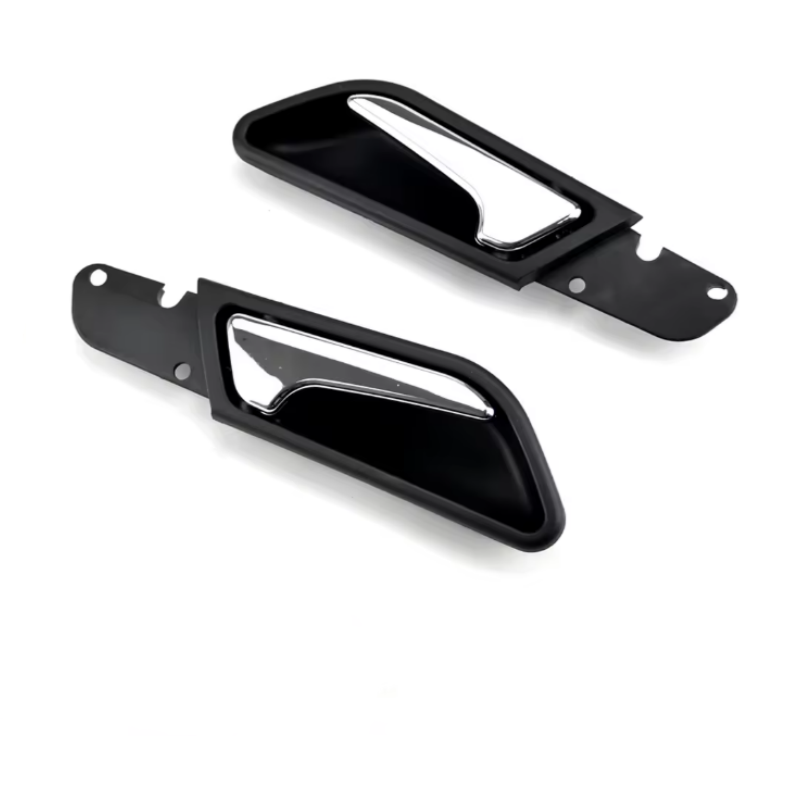
Door handles are highly specific to their location on the vehicle. You must verify the exact orientation before ordering. A left and right interior door pull handle are mirror images of each other. They are structurally incompatible and never interchangeable. Installing a left handle on a right door is physically impossible. The mounting holes and cable routing channels will not align.
Furthermore, you must match the interior trim details. Ensure the new car interior door handle assembly matches your existing interior colors and textures. Pay close attention to integrated electronic features. Many luxury vehicle handles house memory seat buttons, power lock switches, or integrated tweeter speakers. The replacement assembly must support these specific cutouts and wiring harnesses. Ordering a base-model handle for a fully loaded vehicle will leave you with nowhere to mount your electronic switches.
Replacing a door handle requires removing interior trim pieces and manipulating delicate mechanical linkages. You must objectively evaluate your technical skills before attempting this repair in your driveway. A simple handle swap can quickly escalate into a complex electrical diagnostic issue if you damage the wiring.
Executing a DIY replacement requires a specific set of automotive tools. You will need a set of Torx drivers, Phillips head screwdrivers, and a dedicated set of non-marring plastic trim removal tools. You should also purchase replacement vapor barrier adhesive and a bag of spare plastic door clips. The old clips become brittle over time and often shatter during panel removal.
Follow this standard workflow for a successful replacement:
Disconnect the negative battery terminal to prevent accidental airbag deployment or electrical shorts.
Locate and remove all hidden screws behind the interior trim covers and armrest grab handles.
Use a plastic trim tool to pop the perimeter retaining clips loose, starting from the bottom edge.
Lift the door panel upward to clear the window sill and lock stalk.
Disconnect all wiring harnesses for the power windows, mirrors, and locks.
Peel back the vapor barrier carefully to access the internal door cavity.
Swap out the broken assembly, attach the Bowden cables, and test the latch manually.
Reassemble the panel in reverse order and reconnect the battery.
Certain red flags necessitate professional intervention. If the actual latch mechanism is seized shut and requires drilling out from the inside, you must hire a mechanic. Drilling out a hardened steel latch in a confined space requires specialized drill bits and extensive experience. Damaged wiring harnesses or complex European door modules require specialized diagnostic tools to prevent airbag faults.
Compare the labor rates of a local mechanic against your own time investment. If you lack the proper trim tools or feel uncomfortable working around side-impact airbags, hiring a professional eliminates the risk of causing expensive secondary damage to your interior panels. A professional shop can typically complete a handle replacement in under an hour, ensuring all weather seals and vapor barriers remain intact.
Regaining access to your vehicle requires patience and the right technique. Non-destructive entry methods, such as utilizing alternate doors or professional air wedges, remain the only recommended approaches. You must strictly avoid viral tape hacks or coat hanger methods that destroy window regulators and internal wiring. When shortlisting a replacement part, prioritize exact fitment and structural durability. Verify the specific left or right orientation before purchasing. Look for aftermarket options that utilize reinforced materials to prevent the plastic fatigue that caused the initial failure. Ensure the new assembly accommodates all your existing door electronics and trim colors.
Take the following actions to resolve your broken handle safely:
Secure the vehicle by ensuring all other doors are locked and valuables are removed from plain sight.
Order the exact replacement interior or exterior handle assembly specific to your vehicle's make, model, and door orientation.
Purchase a dedicated set of non-marring plastic trim removal tools and spare door clips before attempting any panel removal.
Test the new handle mechanism and electronic locks thoroughly before fully reattaching the interior door panel.
A: Yes. Automotive locksmiths do not rely on the exterior handle to gain entry. They use specialized tools, such as inflatable air wedges, to create a safe gap in the door frame. They then insert a long-reach rod to press the electronic unlock button or manipulate the internal latch release cable directly.
A: Replacement costs vary widely based on the vehicle and part source. Purchasing an aftermarket handle for a DIY repair is highly cost-effective. If you purchase an OEM part and hire a professional mechanic, the total expense increases significantly, factoring in both the premium part cost and local hourly labor rates.
A: No. Driving with a broken interior handle presents a severe safety risk. In the event of an accident or electrical failure, you must be able to exit the vehicle immediately. A broken handle traps you inside the cabin, violating basic safety compliance and putting your life at risk during an emergency.
A: We strongly advise against using a coat hanger. Fishing a stiff metal wire blindly inside modern vehicle doors causes severe damage. You risk scratching the exterior paint, tearing the rubber weatherstripping, and snagging sensitive side-impact airbag wiring or window motor cables hidden inside the door cavity.
A: No. Left and right door handles are exact mirror images of each other. They feature different mounting points, cable attachment angles, and structural curves. They are completely incompatible. You must order the exact side required for your specific repair.
A: Vehicle doors utilize a dual-cable or dual-rod system. The interior handle and exterior handle connect to the latch mechanism via separate linkages. The plastic pivot point or the specific Bowden cable attached to the interior handle can snap independently, leaving the exterior mechanism fully functional.
A: Lubricant only fixes a seized lock cylinder or a sticky mechanical latch. If the handle feels rigid, lubricant may restore movement. However, if the plastic handle is physically snapped or the internal metal linkage rod is broken, lubricant cannot repair the structural failure. You must replace the broken components.


