

close
Choose Your Site
Global
Social Media


Views: 0 Author: Site Editor Publish Time: 2026-07-02 Origin: Site


Almost every driver knows the familiar struggle of modern commuting. You grab your favorite oversized hydration flask, step into your vehicle, and realize it simply will not fit. Standard vehicle cup holders constantly fail to accommodate varied container shapes. This creates a highly frustrating daily experience.
A significant gap exists between OEM console dimensions and the evolving size of consumer beverage containers. Auto manufacturers still design interiors for traditional disposable coffee cups. Meanwhile, drivers carry wide-base insulated bottles and massive tumblers daily. Forcing large bottles into small spaces often leads to damaged interiors and dangerous driving distractions.
This guide serves as a technical resource for measuring your existing console limits effectively. You will learn how to evaluate reliable aftermarket solutions without falling for gimmicky, unstable products. We will help you secure your drinks safely. You can upgrade your driving experience and finally protect your interior from unexpected liquid spills.
Standard car cup holders average 2.5 to 3 inches in diameter, rendering most 32oz+ flasks incompatible without an adapter.
Aftermarket solutions fall into three main categories: plug-in expanders, retractable mounts, and vehicle-specific console replacements.
Proper evaluation requires measuring console depth, adjacent clearance (for gear shifts), and prioritizing high-durability materials over cheap plastics.
Upgrading eliminates top-heavy tipping hazards and prevents interior liquid damage while driving.
Automakers rely on industry-standard dimensions for interior components. The baseline metrics for a typical OEM car cup holder reflect outdated consumer habits. Most standard console inserts measure approximately 3 inches in diameter. They usually feature a depth of just 2 to 3 inches. These dimensions worked perfectly for standard soda cans and medium fast-food drinks.
Today, these baseline metrics fall severely short. A massive compatibility gap exists inside most vehicle cabins. Drivers now favor wide-base insulated flasks. People carry large iced coffee tumblers. Many commuters prefer travel mugs featuring bulky side handles. These modern containers regularly exceed 3.5 inches in diameter. They simply cannot slide into a standard 3-inch slot.
This size discrepancy directly impacts your daily driving experience. You face immediate safety risks when forcing oversized items into undersized slots. Top-heavy bottles easily tip over during sharp turns. Sudden braking sends unsecured flasks flying across the cabin. These flying objects distract drivers and cause serious accidents.
Beyond safety hazards, poorly fitted containers destroy vehicle interiors. Constant friction wears down soft-touch console materials. Forcing rigid steel bottles into plastic slots often cracks the OEM housing. Spilled liquids seep into electronic components. Sticky residue ruins gear shifter mechanisms. You must address this sizing mismatch to protect your vehicle investment.
Container Type | Average Base Diameter | OEM Console Compatibility |
|---|---|---|
Standard Soda Can (12oz) | 2.6 inches | Perfect Fit |
Disposable Coffee Cup | 2.5 - 2.8 inches | Perfect Fit |
Insulated Tumbler (20oz) | 2.9 inches | Snug Fit |
Wide-Mouth Flask (32oz) | 3.6 inches | Incompatible |
Heavy-Duty Jug (40oz+) | 3.8 - 4.0 inches | Incompatible |
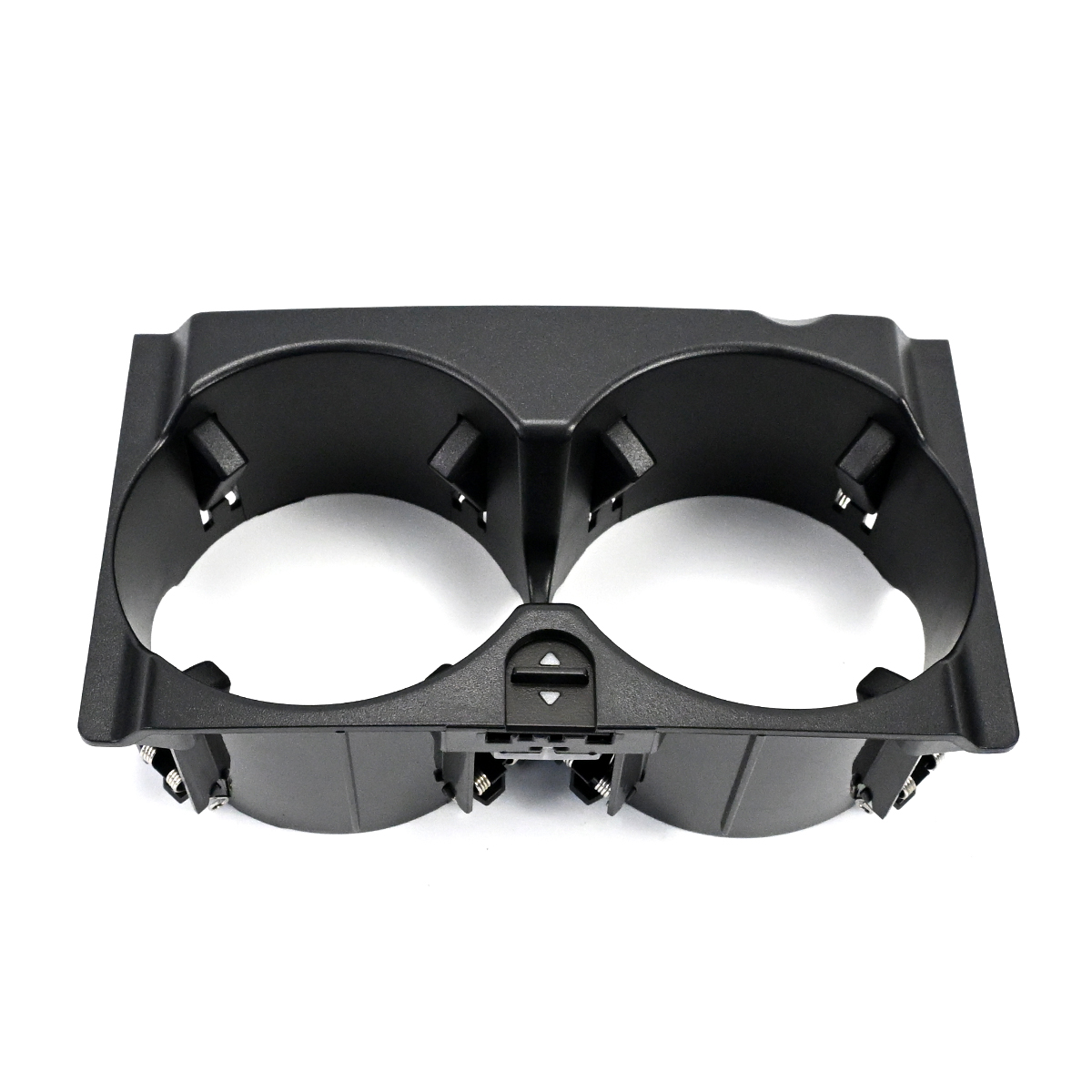
Upgrading your console requires choosing the right aftermarket category. Drivers generally choose from three primary solutions. Each category solves specific fitment issues based on vehicle design. You must match the solution to your specific cabin layout.
Universal expanders and adapters remain highly popular. These clever devices transition your console from a standard diameter to a massive 3.5-to-4-inch upper capacity. The best models utilize twist-to-expand bases. You insert the adapter into your OEM slot. You then twist the top ring. Internal gears push rubberized blocks outward against the console walls. This locks the unit firmly into place.
Some cabins lack the center console space for large expanders. A Retractable Car Drink Holder offers an excellent space-saving alternative. Manufacturers typically design these for dashboard or air vent mounting. They fold flat against the trim when not in use. You pull them open only when needed. However, you must note their load-bearing limitations. Retractable models handle standard cups perfectly. They usually cannot support the immense weight of a fully loaded 40oz steel flask.
Vehicle-specific replacements provide the ultimate permanent solution. Companies manufacture direct-fit aftermarket modules tailored to specific chassis designs. You remove the inadequate factory insert entirely. You drop the new, highly capable module directly into the factory mounting points.
Heavy-duty trucks benefit immensely from this approach. For instance, a dedicated Ford Super Duty Car Cup Holder replacement easily resolves work-site use cases. Exact-fit molds handle extreme abuse far better than universal adapters. They integrate seamlessly into the dashboard. They provide rock-solid stability for enormous hydration jugs.
Choosing a reliable upgrade requires strict evaluation criteria. You should never buy an accessory based on looks alone. Functionality and durability dictate real-world performance. Use this core framework before spending your money.
Material quality dictates accessory lifespan. Vehicle cabins experience extreme temperature fluctuations. Summer cabin temperatures regularly exceed 150 degrees Fahrenheit. Cheap plastics warp and melt under these conditions. We strongly recommend prioritizing a Black ABS Car Cup Holder or similar high-impact polymers.
ABS plastic provides massive benefits. It offers excellent UV resistance. Sunlight will not fade or degrade the material over time. It maintains structural rigidity under extreme heat. ABS also resists scratching from metal bottles. You gain long-term reliability by choosing premium polymers.
Base stability mechanisms matter significantly. A secure locking mechanism prevents top-heavy water bottles from wobbling. You need rubberized expansion blocks. These blocks grip the smooth OEM plastic tightly. Better adapters feature offset bases. You can slide the upper holding section away from the center axis. This adjustability prevents tall bottles from blocking adjacent storage spaces.
Design ergonomics separate good products from great ones. Check the upper cylinder design. Evaluate side-slot inclusions carefully. A deep side-slot allows thick mug handles to slide down seamlessly. The mug sits flat instead of tilting. Assess the internal grip system. High-quality expanders feature flexible silicone internal tabs. These tabs secure smaller cups inside the large expanded cavity. They prevent empty paper cups from rattling annoyingly while driving.
Even the best aftermarket accessories face implementation hurdles. Vehicle consoles feature complex geometries. You must anticipate fitment risks before ordering an adapter. Ignoring these realities leads to frustrating returns.
Clearance and interference checks prevent operational headaches. Gear shift obstruction represents the biggest risk. Tall expanders sometimes crowd the shift lever. Manual transmission drivers struggle the most here. You must ensure shifting into lower gears remains unobstructed. Offset adapters solve this beautifully. You rotate the offset base to push the flask toward the passenger seat.
Dashboard button interference poses another major risk. Elevated or vent-mounted holders sometimes block crucial climate controls. Massive 40oz bottles easily obscure infotainment screens. You must map out the vertical space above your console. Measure the distance between the console surface and the lowest dashboard overhang.
You must understand the "Top-Heavy" reality. A fully loaded 40oz insulated flask weighs nearly three pounds. Placing this massive weight in a shallow base adapter alters cabin physics. Depth-to-width ratio matters for structural integrity. If the base adapter only inserts two inches deep, leverage forces multiply. Sharp turns create massive sideways pressure. If the locking mechanism lacks strength, the entire unit rips out of the console.
Asymmetrical consoles create installation nightmares. Many automakers design square, oval, or teardrop-shaped slots. Round expandable bases struggle inside uneven OEM slots. The expanding blocks cannot find parallel surfaces to grip. If your vehicle features non-circular slots, avoid twist-to-expand adapters. You must seek out wedge-style organizers or vehicle-specific drop-in replacements instead.
Guesswork leads to incompatible purchases. You must approach this upgrade methodically. Follow these exact steps to ensure a flawless installation.
Measure Your OEM Base: Grab a rigid tape measure. Do not use soft sewing tapes. Measure the exact diameter of your existing insert at the bottom. Measure the depth from the rim to the floor. Note if the slot tapers inward at the bottom.
Measure Your Daily Container: Flip your primary water bottle upside down. Measure the exact bottom diameter. If you use a travel mug, measure the base diameter and the height where the handle begins.
Check Console Geography: Sit in the driver seat. Look vertically above the slots. Identify potential interference with flip-up lids. Check clearance around center armrests. Ensure two adjacent cup slots do not overlap if you install dual expanders.
Select the Tier: Analyze your gathered data. Choose a universal adapter if you frequently switch vehicles or have round slots. Select a vehicle-specific module if you drive a supported truck or need a permanent, premium fix.
You can quickly compare your measurements against manufacturer specifications. Most reputable aftermarket brands publish exact fitment tolerances. Cross-reference your OEM depth with the adapter's required insertion depth. Ensure your container diameter falls within the upper ring's maximum expansion limit.
Pay close attention to tapered bottoms. Many modern flasks feature a slight taper. They might technically measure 3.8 inches at the absolute base, but widen to 4 inches slightly higher up. Your chosen adapter must accommodate the widest part of the lower vessel.
Overcoming limited standard cup holder sizes requires a systematic approach. You must match precise vehicle measurements with robust accessories. Relying on blind guesses usually leads to unstable bottles and messy spills. A well-measured setup completely transforms your daily commute.
Remember that stability and material quality always trump aesthetics. You hold heavy liquids in a moving vehicle. Flimsy plastics and shallow bases fail under heavy braking. Durable ABS construction and secure locking mechanisms keep your cabin safe and clean.
Take five minutes to measure your console right now. Write down the diameter, depth, and vertical clearance. Once you know your numbers, browse the shortlisted product categories. You can permanently eliminate the annoyance of flying water bottles today.
A: The standard OEM insert depth usually measures between 2 to 3 inches. This limited depth accommodated old disposable cups. However, it lacks the necessary vertical support for modern, heavy water bottles. Insufficient depth creates a dangerous top-heavy situation, causing tall flasks to tip over easily during normal driving maneuvers.
A: You should install a twist-to-expand base adapter. These units feature a lower base that inserts into your standard 3-inch slot. Twisting the unit expands internal rubber blocks, locking it firmly into the console. The upper portion flares out to safely secure bottles measuring 3.5 to 4 inches in diameter.
A: No. Vent-mounted and retractable models feature strict load-bearing limitations. They rely on small plastic clips or thin hinges. While perfect for standard paper coffee cups or soda cans, they cannot support heavy 32oz steel flasks. Placing massive weight on them often snaps the dashboard vent louvers entirely.
A: Yes. Many older vehicles and modern heavy-duty trucks allow for complete drop-in modular replacements. You can remove the factory trim panel and install a direct-fit aftermarket module. These vehicle-specific upgrades offer vastly superior durability and deeper storage cavities compared to universal twist-in adapters.


