

close
Choose Your Site
Global
Social Media


Views: 0 Author: Site Editor Publish Time: 2026-03-18 Origin: Site


A failing car sun visor is more than a minor annoyance; it's a genuine safety hazard. What begins as a subtle rattle can quickly escalate into a floppy, vision-obstructing problem that distracts you at critical moments. When the visor suddenly drops into your line of sight or refuses to stay stowed, it compromises your ability to see the road clearly. Many drivers attempt temporary fixes with velcro or clips, but these solutions rarely address the root cause of the structural failure. They often fail under the stress of daily use and temperature changes inside the cabin. This guide provides a comprehensive path forward. You will learn how to accurately diagnose the problem, source the correct replacement part, and perform the installation yourself, restoring both the safety and the original aesthetic of your vehicle's interior.
Diagnosis First: Determine if the failure is in the visor arm, the clip, or the internal tension spring.
Compatibility is Critical: OEM (Original Equipment Manufacturer) vs. aftermarket trade-offs regarding color match and fitment.
Electrical Complexity: Procedures for visors with integrated vanity lights and HomeLink systems.
Tool Minimalist: Most replacements require only basic hand tools but demand specific techniques to avoid headliner damage.
Before you order a new part, a proper diagnosis is essential to ensure you're fixing the right problem. A few common issues account for the vast majority of sun visor failures. Taking a moment to identify the specific point of failure can save you time and money, guiding you toward a simple repair or a necessary full car sun visor replacement.
Most sun visor problems fall into one of three categories. By observing how your visor behaves, you can pinpoint the cause.
The "Floppy Visor" Syndrome: This is the most frequent complaint. The visor simply won't stay up against the headliner or hold its position when flipped down. This almost always indicates fatigue or failure of the internal tensioner spring and friction mechanism within the visor's pivot arm.
Broken Mounting Base: The plastic base where the visor attaches to the roof can become brittle over time. Constant exposure to UV rays and temperature cycles weakens the material, leading to cracks or complete fracture. You'll notice the entire assembly is loose at the root.
Faulty Clips: Sometimes the visor itself is fine, but the clip on the opposite side of the headliner is broken. If the visor holds its position when pivoted but won't securely snap into its stowed position, the clip is the likely culprit. This is often a much simpler and cheaper fix.
When faced with the dreaded floppy visor, many people wonder if a quick fix is possible. Some online tutorials suggest drilling a small hole and inserting a screw to add tension. While this might provide a temporary solution, it rarely lasts. The internal spring mechanism is designed to provide smooth, consistent friction. Once it fails, the core structure is compromised. A DIY screw creates a single point of pressure that can easily damage the visor's internal cardboard or plastic structure. Ultimately, an internal spring failure almost always necessitates a full replacement to restore original functionality and safety. If you're unsure how to fix floppy sun visor in car? with lasting results, replacement is the most reliable path.
A successful replacement isn't just about getting a visor that fits. It's about restoring the vehicle to its factory state. Pay close attention to these two details:
Interior Trim Code: Ensure the new unit perfectly matches your car's interior color. This code is often found on a sticker in the driver's side door jamb. A mismatched visor can significantly detract from your car's interior appearance and resale value.
Safety Certifications: Original visors are designed to meet specific impact resistance standards. A quality replacement, whether OEM or a reputable aftermarket brand, should maintain these safety characteristics.
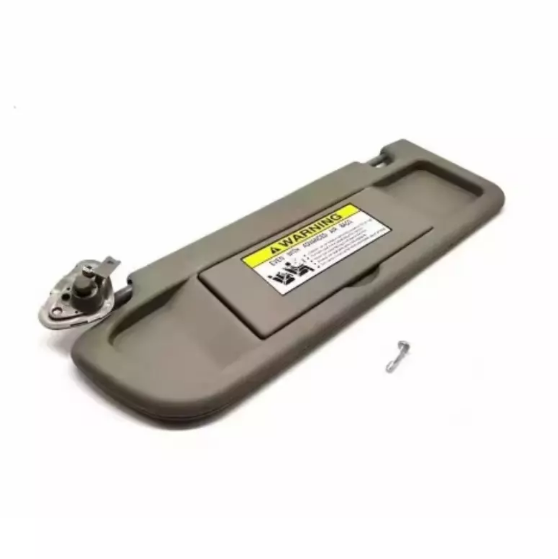
Once you've confirmed a replacement is needed, the next step is finding the right part. This decision involves a trade-off between cost, quality, and guaranteed compatibility. You'll primarily choose between Original Equipment Manufacturer (OEM) parts, aftermarket parts, or, for the budget-conscious, salvage yard parts.
Your vehicle's Vehicle Identification Number (VIN) is your most powerful tool. It allows you to find the exact part number and, crucially, the specific color code for your interior trim. Using an online OEM parts catalog or calling a dealership with your VIN will eliminate guesswork. This ensures the new visor's fabric or vinyl is a perfect match for your headliner and other interior components.
The Honda Civic is a high-volume model, which is good news for parts availability. You can easily find options across the spectrum. An OEM car sun visor for Honda Civic will offer a guaranteed fit and color match but at a premium price. The aftermarket, however, provides numerous cost-effective alternatives. High-quality aftermarket suppliers often produce visors that are nearly indistinguishable from the original, while lower-tier options might have slight variations in texture or color. For a popular car like the Civic, reading reviews from other owners can be invaluable in choosing a reliable aftermarket brand.
When comparing your options, consider these critical factors:
Material Quality: Examine the texture and feel of the fabric or vinyl. A quality replacement will use materials with good UV resistance to prevent premature fading and cracking, just like the original part.
Feature Parity: Does your original visor have a lighted vanity mirror, a sliding extender, or a HomeLink garage door opener? Ensure your chosen replacement includes all the same features and that they function correctly. Electrical connectors must match perfectly.
Think beyond the initial purchase price. A part that fails prematurely or doesn't fit correctly will cost you more in the long run. Here’s a quick comparison of your sourcing options.
| Part Source | Pros | Cons | Best For |
|---|---|---|---|
| OEM (Dealership) | Guaranteed fit, perfect color match, highest quality materials. | Highest initial cost. | Owners who prioritize originality and a perfect match. |
| New Aftermarket | Excellent value, wide availability, often high quality. | Risk of slight variations in color, texture, or fitment. | Most DIYers looking for a balance of cost and quality. |
| Salvage Yard (Used) | Lowest possible cost, OEM part. | Plastic may already be brittle from UV exposure, no warranty, potential hidden damage. | Budget-focused repairs on older vehicles where perfect condition is not the priority. |
With the new part in hand, you're ready to remove the old, faulty visor. This process is generally straightforward but requires care to avoid damaging the headliner or wiring. Following a methodical approach will ensure a clean removal.
Before you begin, take a couple of simple but important precautions:
Disconnect the Battery: If your sun visor has a lighted mirror or HomeLink system, always disconnect the negative terminal of your car battery. This prevents any risk of short circuits that could blow a fuse or damage sensitive electronics.
Use Proper Tools: To avoid creasing or tearing your headliner, use a set of plastic, non-marring pry tools. These are inexpensive and specifically designed to safely pop open plastic covers and clips without leaving marks. A flathead screwdriver wrapped in tape can work in a pinch, but dedicated trim tools are far superior.
The secondary clip that holds the visor in its stowed position is usually easy to remove. The method depends on its design. Some are held by an exposed Phillips or Torx screw; simply remove the screw, and the clip comes off. Others have a hidden tab release. For these, you'll need to insert a small flathead screwdriver or pry tool into a slot to depress a tab, allowing the clip to be pulled out. A third common type is a "push-and-turn" mechanism, where you push the clip in slightly and rotate it 90 degrees to unlock it from the roof structure. Knowing how to remove sun visor clip? correctly prevents breaking the retaining mechanism.
Removing a visor with electronics adds one extra step: disconnecting the wire harness. After you remove the mounting screws, the visor will hang by its wires. Don't just pull on it.
Locate the Connector: Gently pull the visor base away from the headliner. You will see a small electrical connector, often just an inch or two into the opening.
Disconnect Carefully: Most automotive connectors have a small locking tab that you must press before you can pull them apart. Squeeze this tab firmly and then separate the two halves of the connector.
Manage the Pigtail: The wire coming from the car's roof (the "pigtail") can sometimes slip back into the headliner. Be careful not to lose it. If it seems short, you can use a small clip or piece of tape to hold it in place while you prepare the new visor. Learning how to remove sun visor with light? is mostly about being gentle with this connection.
Installing the new sun visor is essentially the reverse of the removal process. With careful alignment and a gentle touch, you can achieve a factory-perfect fit. A little pre-installation diligence goes a long way.
Before you lift the new visor into place, take a moment to inspect it. Test the hinge by hand. It should feel firm and hold its position when you move it. If it feels loose or floppy out of the box, it's a defective part and should be returned. Confirm that the mounting screw holes and any alignment pins match the old unit perfectly.
This process is highly similar across most vehicles, including popular models like the Honda Civic. Follow these steps for a smooth installation.
Connect the Electrics: If your visor has a light, the first step is to reconnect the wire harness. Push the two ends of the connector together firmly until you hear a click, confirming the locking tab is engaged. Gently tug on it to ensure it's secure.
Align the Mounting Base: Carefully align the new visor's mounting base with the pilot holes or threaded inserts in the vehicle's roof structure. Most visors have a small pin or tab that fits into a corresponding hole to ensure perfect orientation.
Insert and Tighten Screws: Start the mounting screws by hand to avoid cross-threading. Once they are seated, tighten them with your screwdriver or Torx driver until they are snug. Do not over-tighten, as this can strip the plastic anchors or crack the mounting base.
Test Functionality: Before reattaching any plastic covers, test the vanity light by opening the mirror cover. If it lights up, your electrical connection is good. If not, re-check the connector. Reconnect the car battery if you disconnected it for this test.
Install the Clip: Secure the secondary support clip on the other side. Snap any plastic trim covers back onto the main mounting base.
For a visual walkthrough, you can find detailed videos online that show you precisely how to install sun visor Honda civic?, which can clarify any model-specific nuances.
Avoid these common mistakes to ensure a durable, rattle-free installation:
Over-tightening screws: This is the most common error. The mounting points are often plastic or thin metal. Tighten until snug, and then stop. Too much force will damage the anchor.
Cross-threading bolts: Always start screws by hand for the first few turns. If you feel resistance, back it out and try again. Using a power tool from the start is a recipe for cross-threading.
Crimping wires: When seating the visor base, make sure the electrical wire is tucked neatly into its channel and isn't pinched between the base and the roof. A crimped wire can cause a short or malfunction down the road.
For most vehicles, replacing a sun visor is a fantastic DIY project. It requires basic tools, minimal time, and offers significant savings. However, there are specific situations where calling a professional is the smarter and safer choice.
The primary benefit of doing this job yourself is cost savings. A professional auto repair shop will typically charge for 0.5 to 1.0 hour of labor for this task. Depending on the shop's hourly rate, this can add $50 to $150 to the total cost. For a job that often takes less than 30 minutes, the return on your time investment is excellent. You also gain the satisfaction of fixing your own car and learning more about how it works.
While the job is usually simple, certain complexities warrant professional expertise. You should seriously consider seeking help if your vehicle has:
Integrated Side-Curtain Airbags: On some models, the side-curtain airbag modules are located very close to the sun visor mounting points. Accidentally disturbing the airbag system is a serious safety risk. If you see "SRS," "Airbag," or "Curtain" markings on the A-pillar trim near the visor, it's best to let a certified technician handle the job.
Complex Headliner Removals: If the visor's wiring harness is not immediately accessible and requires partially dropping the headliner or removing the A-pillar trim, the job becomes much more involved. A professional has the experience to do this without causing creases, tears, or breaking hidden clips.
After your new visor is installed, perform a final quality check to ensure long-term reliability. Test its full range of motion.
The "Stay-Put" Test: Position the visor at various angles against the windshield. It should hold its position firmly without drooping.
The "Snap-Back" Test: Flip the visor up to its stowed position. It should move smoothly and snap securely into its holding clip without rattling.
Functionality Check: Double-check the vanity light, slide-out extender, and any other features to confirm they work as expected.
A successful installation will feel just like the original factory part did when it was new.
Replacing a car sun visor is a highly manageable project that restores safety, visibility, and your car's interior aesthetics. By following a clear lifecycle—from accurate diagnosis of the failure to careful sourcing of a compatible part and a methodical installation—you can achieve professional results at a fraction of the cost. Investing in a high-quality replacement part not only solves the immediate problem of a floppy or broken visor but also protects your vehicle's cabin integrity and resale value. For most drivers, this is an empowering 20-minute DIY job that requires only basic tools and a little preparation. Don't let a faulty visor be a daily annoyance or a safety risk; you have the knowledge to fix it right.
A: It's generally not recommended. Adhesives like super glue or epoxy are not designed to handle the constant torque and high temperatures inside a car. The glue will likely fail quickly, leaving you with a sticky mess and the original problem. The internal failure is mechanical, requiring a mechanical solution, which is best achieved with a full replacement.
A: No, they are not. Driver and passenger side visors are mirror images of each other. Their mounting geometry, shape, and the orientation of features like mirrors and vanity lights are specific to each side. Additionally, the wiring harnesses for lighted visors are designed for their respective sides and will not reach if swapped.
A: The essentials for most vehicles are a basic screwdriver set (both Phillips head and flathead), a set of Torx bits (T15 or T20 are common sizes), and a set of non-marring plastic trim tools. The trim tools are key to removing plastic covers without scratching or damaging your interior.
A: This can happen for two reasons. First, the original interior of your car, including the headliner and other visor, has likely faded slightly over years of sun exposure. A factory-fresh replacement part will appear slightly richer in color. Second, some aftermarket parts may have minor color variations, which is a trade-off for their lower cost.
A: The most reliable method is to use an online OEM parts diagram specific to your car's model year. You can find these on dealership websites or dedicated auto parts sites. By entering your vehicle's VIN, the system will filter for the exact parts that fit your car, including the correct part number and color code for the sun visor.


