

close
Choose Your Site
Global
Social Media


Views: 0 Author: Site Editor Publish Time: 2026-03-25 Origin: Site


The familiar, jarring clatter of a toppling water bottle is a sound every modern driver knows and dreads. Your vehicle's standard cup holders were likely designed for a bygone era of paper cups and 12oz soda cans. They are completely outmatched by today's oversized 32oz, 40oz, and even larger vacuum-insulated bottles. This creates a "hydration gap" that turns your center console into a hazardous, inconvenient landscape of spills and distractions. Fortunately, there is an elegant solution to this common problem.
This guide dives deep into the answer: the universal car cup holder expander, a critical interior upgrade for commuters, road-trippers, and anyone who values hydration on the go. We will move beyond simple product listings to provide a data-backed evaluation of the top models for 2026. You will learn how to assess them based on stability, base adjustability, and crucial clearance for center console controls, ensuring you make a purchase that enhances your driving experience safely and effectively.
Base Compatibility is King: The most common failure point is a loose fit in the existing holder; look for expandable "wedge" or "petal" bases.
Offset Designs for Tight Spaces: Essential for "split center seat front cup holder" configurations where space between the holder and the shifter is minimal.
Material Matters: High-density ABS plastic with silicone grip tabs prevents bottle "rattle" and ensures long-term durability against UV exposure.
Safety First: An improperly secured expander can become a projectile or obstruct emergency braking; prioritize models with mechanical locking bases.
The term "universal" is often used loosely, but for a car cup holder expander, it implies a specific set of design features that guarantee a secure fit across a wide range of vehicles. Understanding these criteria is the first step toward choosing a product that works as advertised and avoids the frustration of a wobbly, unreliable accessory.
The single most important feature is the adjustable base. A quality expander must be able to create a tight, mechanical lock with your car's built-in holder. Look for models with a specified diameter range. Most top-tier expanders can adjust from approximately 2.5 inches (common in smaller Japanese sedans) up to 3.75 inches or more (found in larger American trucks and SUVs). This is typically achieved by twisting the unit, which expands a series of "petals" or "wedges" outward, pressing them firmly against the walls of the original holder.
Best Practice: Before shopping, measure the diameter of your car’s existing cup holder. This simple step eliminates 90% of potential fitment issues.
Once the base is secure, the next job is to hold your bottle firmly. A heavy, full 40oz bottle can generate significant momentum during a sharp turn or sudden stop. There are two primary grip mechanisms to consider:
Silicone or Rubber Tabs: These are flexible fins located on the inside wall of the expander. They provide excellent friction and vibration dampening, preventing the annoying "rattle" of a metal bottle against hard plastic. They accommodate a variety of bottle diameters without needing adjustment.
Spring-Loaded Tensioners: Less common but highly effective, these are mechanical arms that actively push against the bottle to hold it in place. While offering superior grip, they can sometimes make it slightly more difficult to remove the bottle with one hand.
Physics plays a huge role in cup holder stability. The taller the bottle, the higher its center of gravity, making it more prone to tipping. A well-designed expander manages this risk by having a deep enough well to support the lower third of the bottle. However, there's a trade-off. An excessively tall expander can become a lever, putting too much stress on the car's original cup holder. The ideal design offers a balance: deep enough for stability but not so tall that it creates excessive leverage.
This is where many "one-size-fits-all" designs fail. In many vehicles, cup holders are placed close to the gear shifter, climate controls, or infotainment screen. A bulky expander can easily obstruct these critical functions. To solve this, look for two key features:
Offset Base: The upper part that holds the bottle is deliberately positioned off-center from the base. This allows you to rotate the unit and move the bottle away from an obstruction.
Adjustable Neck: Some premium models feature a neck or arm that allows the upper holder to be repositioned both horizontally and vertically, providing maximum flexibility in tight spaces.
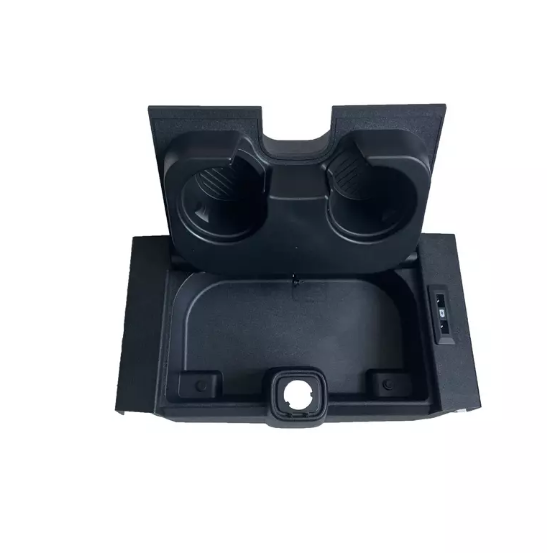
After evaluating the market based on our critical criteria, we've identified five standout archetypes that serve different needs and vehicle types. This breakdown will help you pinpoint the perfect model for your daily drive or next adventure.
| Category | Key Feature | Max Bottle Size (Approx.) | Best For |
|---|---|---|---|
| The Heavy-Duty Choice | Reinforced mechanical locking base | 40oz+ | Large tumblers, maximum stability |
| The Offset Specialist | Adjustable offset positioning | 36oz | Tight consoles with shifter interference |
| The 2-in-1 Multitasker | Integrated phone slot or swivel tray | 32oz | Commuters needing extra organization |
| The Low-Profile Minimalist | Sleek, one-piece aesthetic design | 32oz | Blending seamlessly with the car's interior |
| The Rugged Off-Road Edition | Vibration-dampening materials | 48oz | Trucks, SUVs, and bumpy conditions |
This category is defined by one thing: uncompromising stability. Designed to handle the weight and height of fully loaded 40oz and even 48oz bottles, these expanders feature robust, mechanical twist-to-tighten bases. The expansion wedges are often larger and made of thicker plastic, ensuring a rock-solid connection to your vehicle. The upper holder itself is deep, with aggressive silicone grip tabs to lock the bottle in place. This is the ideal choice for anyone who primarily uses large, heavy tumblers and wants zero wobble, even on rough roads.
If your cup holders are crammed next to your gear selector, this is the model for you. The defining feature is a base that is not centered directly beneath the bottle holder. This offset design allows you to rotate the expander 360 degrees, strategically positioning your large bottle away from your hand when shifting gears. It's an essential solution for many modern compact cars and vehicles with a split center seat front cup holder, where space is at a premium.
For the daily commuter, cabin organization is key. The multitasker integrates additional functionality directly into the expander. Common features include a dedicated phone slot (wide enough for modern phones with cases), a small secondary tray that swivels out for snacks or keys, or even a small built-in trash receptacle. While they may slightly compromise on holding the absolute largest bottle sizes, the added utility makes them a powerful tool for optimizing your console space.
Some drivers want functionality without the bulky, utilitarian look. The low-profile minimalist excels here. These expanders are often single-piece designs made from matte-finish plastics that match typical automotive interiors. They avoid complex adjustment necks and add-on trays in favor of a clean, sleek silhouette. While still featuring a reliable expandable base, their main selling point is that they look like they could have been a factory-installed option.
Built for the trail, the Rugged Edition takes stability to the next level. These models often feature an extra-deep well to swallow more of the bottle, significantly lowering the center of gravity. The materials are chosen for vibration dampening, with thicker silicone tabs and sometimes foam padding at the bottom of the holder. The base expansion mechanism is overbuilt to withstand the constant shocks and jolts of off-road driving, ensuring your drink stays put no matter the terrain.
Buying a great cup holder expander is only half the battle; installing it correctly and understanding its spatial impact are crucial for everyday usability. Even the best products can create new problems if not positioned thoughtfully.
Most vehicles feature two cup holders side-by-side. The challenge is that a single expander holding a wide 40oz bottle can easily overhang and completely block the adjacent holder. This "proximity problem" is a major source of frustration. The solution is almost always an offset-base model. It allows you to position the large bottle further away, preserving just enough space for a smaller can or standard coffee cup in the second holder.
A 360-degree rotating base is more than a convenience; it's an ergonomic necessity. Before tightening the base, experiment with its position. Can you move the bottle forward to give your passenger more knee room? Can you rotate it backward to ensure it doesn't interfere with your elbow's natural resting position? Taking a moment to find the optimal angle can dramatically improve comfort and safety during your drive.
Be aware of your vehicle's specific geometry. In some cars, particularly those with low-slung dashboards or large infotainment screens, a tall bottle can create a new line-of-sight obstruction. Before you finalize your purchase, place your largest water bottle in your current cup holder and see what it blocks. This helps you identify potential "dead zones" and decide if a shorter expander or one with an adjustable neck might be a better choice.
Your car's interior plastics can be surprisingly easy to scratch. A quality cup holder expander will include soft padding on the bottom of its base, typically made of EVA foam or silicone. This small detail serves two purposes: it prevents the hard plastic of the expander from scuffing or marring the bottom of your car's original cup holder, and it adds an extra layer of friction to prevent the unit from rotating unintentionally.
When browsing online marketplaces, it's tempting to grab a $10 expander. However, considering the Total Cost of Ownership (TCO) and the safety implications, investing in a higher-quality model is almost always the smarter financial and practical choice.
Cheap expanders often use brittle, low-grade plastic. This becomes a major risk point, especially in designs with swivel trays or adjustable arms. The weight of a full 64oz growler or a heavy insulated bottle can exert significant torque. This can lead to a sudden "arm snap," sending a heavy projectile loose in your cabin while you're driving. Quality models use reinforced, high-density ABS or polycarbonate plastics that are engineered to handle these loads without stress fractures.
A car's interior can reach temperatures exceeding 140°F (60°C) on a hot summer day. At these temperatures, cheap polymers can soften, warp, and deform. An expander base that warps will lose its tight fit, rendering it useless. Premium materials like ABS plastic have a much higher heat deflection temperature, ensuring they maintain their structural integrity and tight fit year after year, even in the hottest climates.
Spills and condensation are inevitable. Well-designed expanders anticipate this. Look for features that make cleaning easy:
Removable Coasters: A silicone or rubber coaster at the bottom can be easily removed and washed.
Open-Bottom Designs: Some rugged models feature slots or openings at the base, allowing moisture and crumbs to pass through instead of pooling.
Cheaper units are often single-piece molds that trap grime and are difficult to clean properly.
Think of a quality cup holder expander not as a disposable accessory, but as a permanent upgrade to your vehicle. A $25-30 model made from durable, heat-resistant materials might last the entire life of your car. In contrast, a $10 model that breaks or warps after one summer will need to be replaced annually. Over five years, the "cheap" option actually costs you more money and provides a less reliable and less safe experience along the way.
To make the final decision, match your primary use case to the right set of features. Your daily habits should dictate your choice.
Your priorities are efficiency and organization. You're likely juggling a coffee, a water bottle, and your phone.
Priority 1: Utility. Look for a 2-in-1 Multitasker with a reliable phone slot.
Priority 2: Ease of Reach. An offset base might be necessary to keep the bottle from interfering with your normal driving posture and controls.
You need to accommodate multiple drink sizes and potentially snacks for passengers. Maximum capacity and flexibility are key.
Priority 1: Maximum Diameter. Choose a model that can handle up to 4" bottle diameters to fit everyone's favorite drink container.
Priority 2: Stability. A heavy-duty, mechanical-locking base is non-negotiable to prevent spills from kid-sized bumps and knocks. A model with a tray attachment is a huge bonus.
You want the problem solved without adding clutter to your cabin's interior design.
Priority 1: Aesthetics. The Low-Profile Minimalist is your best bet, offering a clean, integrated look.
Priority 2: "Drop-in" Stability. You want a product that you can set and forget, with a strong base that doesn't require constant readjustment.
Before you click "buy," take these two simple steps:
Measure Your Holder: Use a ruler or measuring tape to find the exact diameter of your car's built-in cup holder. Compare this to the base expansion range listed in the product specifications.
Check Your Mount Type: Is your cup holder a simple, flush cylinder, or is it recessed deep into the console? Some expanders with very wide adjustment knobs at the bottom may not fit well in deeply recessed holders.
The car cup holder expander market in 2026 is evolving beyond simple plastic tubes. The clear trend is a shift toward modularity, superior materials, and intelligent design that accounts for the complex ergonomics of a modern vehicle's cabin. Features like offset bases, vibration-reduction technology, and heat-resistant polymers are becoming the new standard for quality.
For the average driver looking for the best all-around solution, our final recommendation is the Heavy-Duty Choice. Its combination of a rock-solid mechanical base and deep-well stability provides the most secure and versatile platform for the widest range of popular oversized bottles. It is a one-time purchase that delivers safety, convenience, and peace of mind.
Ultimately, enhancing your driving experience doesn't always require a major overhaul. Sometimes, the biggest improvements come from small, high-impact ergonomic upgrades that solve a daily annoyance. Choosing the right cup holder expander is a perfect example of such an upgrade.
A: Most will, provided they have the right feature. Standard cylindrical expanders will not fit a handled mug. You must look for a model that explicitly mentions a "U-shaped" or "mug-friendly" slot. This is an open cutout on one side of the holder that allows the handle to sit outside the main cylinder, ensuring a proper fit.
A: It depends on the base. Expanders with a secure, mechanical-locking base (the kind you twist to tighten) work exceptionally well in both vertical and angled holders because they create a tight friction fit. Simpler, gravity-based "drop-in" models with foam sleeves may be less stable in angled holders, as the weight of the bottle can cause them to lean or work loose over time.
A: In most cars, this is not practical. The top portion of an expander designed for a 32-40oz bottle is significantly wider than the base. Placing two side-by-side will almost certainly cause them to interfere with each other. A more common solution is to use one expander for a large bottle and leave the adjacent holder for a smaller, standard-sized drink.
A: This usually means the base isn't tight enough. First, ensure you've twisted the expansion mechanism as tightly as you can by hand. If it still spins, you can add friction. Some users have success placing a small rubber band around the base before inserting and tightening it. Additionally, ensure the contact points on the expansion wedges and your car's holder are clean and free of any slippery residues.


